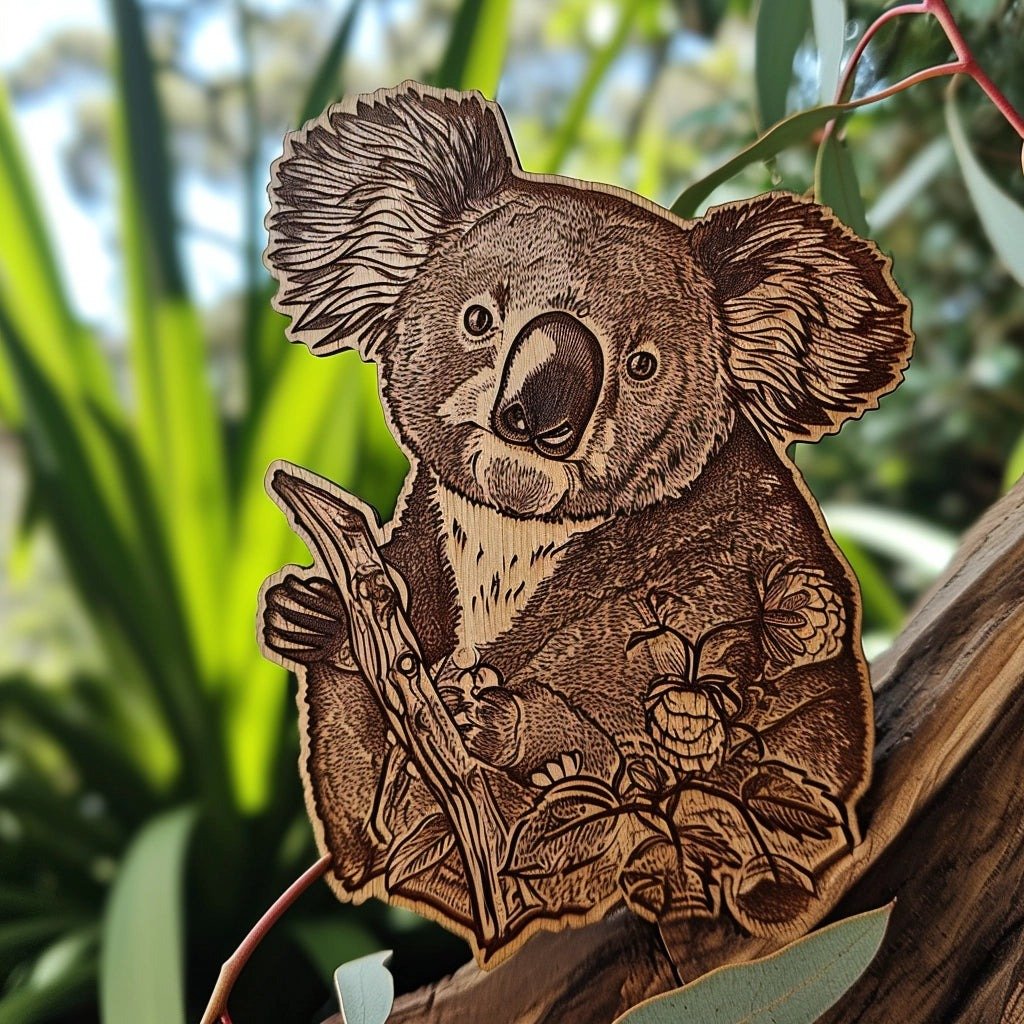
How Students Are Funding Their Own Makerspaces With Laser Projects
When school leadership, state departments of education, or School Councils map out budgets for Design and Technology (D&T) departments, STEM hubs, or university makerspaces, the financial conversation usually revolves around capital expenditure grants, departmental allowances, or central government funding. While these traditional procurement routes remain vital, a quiet revolution is happening in student workshops up and down the country.
Armed with versatile, industrial-grade tools likeOMTech CO2 laser cutters, students are no longer just passive consumers of school funding. Instead, they are turning their hands-on classroom projects into thriving micro-enterprises and school-based businesses, using the profits to completely self-fund their own makerspace expansions, upgraded fume extraction systems, and raw material inventories.
The Evolution from Classroom Exercise to Micro-Enterprise
In traditional school workshops, a typical design project involves creating a standardised piece of work that ultimately ends up sitting in a locker or being taken home and forgotten at the end of the term. Laser cutting changes the psychological dynamic of the classroom entirely. Because the machine delivers flawless, commercial-grade precision, the items students produce have immediate market value.
Enterprising students are recognising this opportunity to bridge the gap between design and entrepreneurship. By manufacturing custom school merchandise, personalised graduation and leavers’ gifts, local community signage, or intricate holiday ornaments for school fetes, students are discovering that their classroom lab is actually a high-yield production line. The revenue generated from these student-led storefronts is funneled directly back into a dedicated departmental account, transforming the workshop from a cost centre into a self-sustaining asset.

Diversifying the Inventory Without Budget Requests
One of the most common friction points in running a school makerspace or D&T lab is the ongoing cost of consumable materials. Plywood, MDF, acrylic sheets, and engraving blanks disappear quickly under the heavy rotation of multiple timetabled class periods. When school budgets get tight, material variety is often the first thing to be slashed, leaving students with nothing but cheap greyboard or corrugated cardboard to prototype their ideas for their senior Major Design Projects (MDPs).
Student-funded laser initiatives solve this bottleneck completely. By selling high-margin engraved products—such as personalised slate coasters or custom-cut acrylic trophies for local sports clubs—students generate a steady stream of independent revenue. This cash flow allows the department to purchase exotic hardwoods, specialty plastics, and advanced accessories like rotary attachments entirely on their own terms, completely bypassing the bureaucratic maze of school division or state department purchase orders.
See also: How Financial Advisors Help You Build, Protect, and Grow Your Wealth
Upgrading the Hardware Through Collective Effort
The scaling potential of a student-run laser enterprise goes far beyond simply buying a few extra sheets of plywood. In several documented cases across Australia, schools that started with a single, compact desktop laser have managed to fund their way up to heavy-duty industrial machinery through collective effort.
When a student body sees that their work directly contributes to the upgrade of their own learning facility, engagement skyrockets. A mid-sized, high-efficiency system like an OMTech 60W or 80W Cabinet Laser can easily be purchased using the proceeds of a few well-timed school enterprise markets or custom contracts for local businesses. By letting the students drive the monetisation of the lab, they effectively purchase their own next-generation hardware, creating a proud legacy of student-led infrastructure that benefits the year groups coming up behind them.
Fostering Real-World Vocational Skills
While the financial return of these laser projects is impressive, the educational return is the true prize. When students run a self-funding makerspace, they aren’t just learning how to set the power and speed parameters in LightBurn. They are gaining an immersive education in modern business mechanics, closely aligning with the practical goals of senior D&T and VET engineering pathways.
To keep the makerspace funded, students must manage the entire product lifecycle. They handle material sourcing, calculate cost-of-goods-sold (COGS), optimise machine time to reduce wastage, deal with strict quality control, and market their products to the wider community. They are learning supply chain management, digital marketing, and industrial engineering before they even graduate.
Building a Self-Sustaining Creative Ecosystem
The ultimate goal of any modern D&T or STEM program is to foster independence, resourcefulness, and critical thinking. By empowering students to monetise their laser projects, schools are teaching them the most valuable lesson of all: how to build something from nothing.
When students realise that the machine in front of them has the power to fund their next big idea, the entire culture of the school workshop changes. The makerspace ceases to be just a room with tools; it becomes a thriving, self-sustaining creative ecosystem driven entirely by student ambition and precision engineering.
Looking to Build a Self-Sustaining D&T Department? OMTech works with schools, colleges, and universities across Australia to provide budget-friendly, fully enclosed Class 1 laser systems that maximise your return on investment. From our plug-and-play desktop models to our heavy-duty production cabinets, we accept official School Purchase Orders (POs), offer specialised institutional tier pricing, and ensure full compliance with state WHS regulations. Contact our dedicated Australian Educational Support Team today for custom quotes and specification sheets.